Tekstit

Näytetään tunnisteella photography merkityt tekstit.

This is how Finland celebrates the Midsummer eve - see the photos from Kumpula

Kuva
Photos: Sirpa Pääkkönen

A cat for every month in my home made cat calendar - Happy New Year for everyone

Kuva
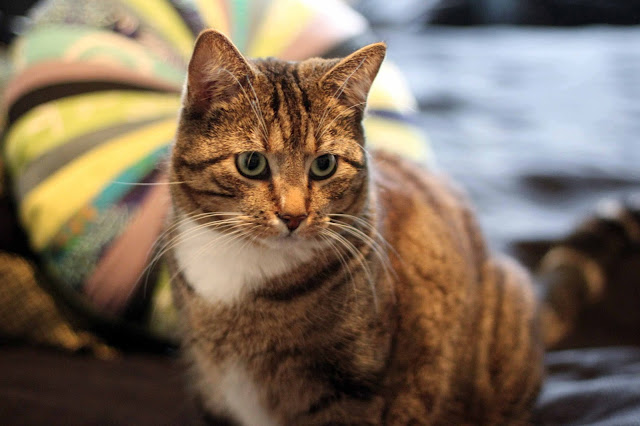
January If you don't have your own cat, you can go to the cat coffee shop or to The Cat's Republic. They are great places. I dont't have my own cat, but as a kid I had them always, sometimes many. I learn to know how crazy , clever , stubborn , independent, wild , wise and sweet they are. When I nowadays want to meet a cat I go to the a coffee shop. In Finland we have two very nice cat coffee shops, one in Helsinki and one in Tampere. Sometimes I travel to Tallinn where there is a cat coffee shop or to Saint Petersburg where you'll find a  whole Cat's Republic. I take my camera with me and ask kindly the cats sit down and be my models when I take photos. But what they do: they turn  their backs or go to sleep under a chair or into a basket. I have to be patient and wait for a long time to get a picture where the cat has his eyes open. If I'm very lucky I'll get a smile from a cat. Then I'm very happy. To  share my joy wit...

Old photos by Signe Brander show what kind of city Helsinki was one hundred years ago

Kuva
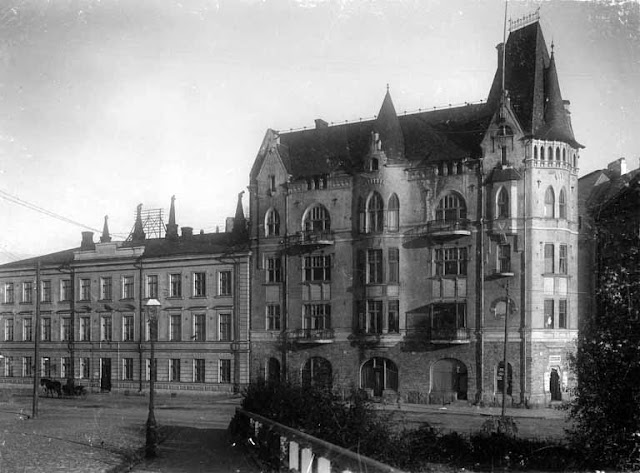
Satamakatu. Congratulations . Finland celebrates its 100th anniversary in 2017. Many events and fireworks will be organized for the anniversary. But what kind of Finland we had a hundred years ago? Respected female photographer Signe Brander saved views of the city Helsinki in her photos in the early 1900s. Today Helsinki is an urban city, but by that time our capital  was still poor, and the city had a lot of wooden houses. Here and there was valuable stone houses that still exist. Helsinki City Museum has saved nearly a thousand Signe Brander's photographs. You can see and feel what kind of city Helsinki was before the independence declaration and shortly thereafter. Photos Signe Brander Helsinki City Museum Bulevardi.   Wooden house Kaisaniemi park. Korkeavuorenkatu The statue of Runeberg. Esplanade park.

The old photos tell how Finland looked like 1922-1969, when people moved from the countryside to the cities and started to work in factories

Kuva
Evacuation from Helsinki 1939. Photos: Central Union of Consumer Co-operatives The old black and white photos are very charming. While viewing them you can feel the history. The photos tell how people once used to live and what kind of was  the environment around them: their homes, clothes, workplaces. New born babies in Kotka in 1950s. At the Finnish Museum of Photography you can now see how Finns lived 1922-1969. And what is best you can look  the photos also on Flickr . The exhibition is based by images from the collections of the Central Union of Consumer Co-operatives. Images of urbanization, industrialization and the emergence of consumer culture and the welfare tell about Finnish society. The vantage point is the working class. Photos show how workers moved from villages to cities and started to work in factories. The sweetiest part of the collection is photos from ch ildren. During the Winter W ar in 1939 some of them had to leave their homes...

Green colors still in Helsinki - soon we'll have fall colors

Kuva
Nature in Finland. Photos: Sirpa Pääkkönen Now there are last weeks when in Finland leafy trees are still green. Very soon the autumn changes the leaves red and yellow and they will drop to the ground. Usually the autum colors appear to Lapland at the second week of September and to the southern Finland a little bit later. During the fall colors the nature looks amazing. Anyway in Helsinki it is still warm an green. This year summer started already in May and is still going on at least for a while. We had quite much rains and a few very windy storms here, but the nature loves water. Here you have some pictures that tell we still have green here.

Venetsian uhanalainen aatelisto - Jaakko Heikkilän tyylikkäät valokuvat johdattavat aateliston suljettuun elämään

Kuva
Koirakin poseeraa aateliskodissa.   Maailmassa on uhanalaisia kasveja ja eläimiä, mutta että ihmisiäkin. Eikä kyse ole eristäytyneitä elävistä alkuperäiskansoista vaan rikkaista aatelissukujen jälkeläisistä. "Todellinen aateluus on katoamassa. Jos haluat tehdä jotain aateluudesta, voin auttaa sinua", Dott Garo Dermidjian sanoi valokuvaaja Jaakko Heikkilälle vuonna 2005. Kuvaaja otti haasteen vastaan. Projekti jatkui kymmenen vuotta. Heikkilä pääsi palatseihin, joihin 27 miljoonaa Venetsissa vuosittain vierailevaa matkailijaa ei pääse. Kamera teki työtään. Nyt kuvia näkee valokuvakirjassa Veden kätkemiä huoneita - Rooms Hidden by the Water ja Kansallismuseon näyttelyssä. Aatelisperheet ja –suvut hallitsivat Venetsiaa 500-luvulta 1700-luvun lopulle saakka. Venetsialainen aatelisto ei aina omistanut maata eikä korostanut arvoaan nimeen liitettävillä etuliitteillä. Palatsit olivat heidän valtansa symboleja. Aateliston kulta-aikana aristokratiaan kuului viisi ...

New Yorkin katujen yksinäinen kuvaaja - Kulturhusetissa Tukholmassa on vielä hetken esillä Vivian Maierin upeita valokuvia

Kuva
Rantaelämää Vivian Maierin kuvaamana. Kuvat Kulturhusetin näyttelystä. Vielä ehtii, mutta kiirettä pitää. Vivian Maierin (1926–2009) komea valokuvanäyttely on esillä Kulturhusetissa Tukholmassa 22. toukokuuta saakka. Vivian Maier tunnetaan nykyään loistavana katuvalokuvaajana, joka tallensi katujen elämää New Yorkissa ja Chicagossa 1950-luvulta 1970-luvulle. Elinaikanaan hän ei ole ollut tunnettu. Hän ansaitsi elantonsa neljäkymmentä vuotta lastenhoitajana. Lapsista tuli hänelle suojaverho, kun hän liikkui kameransa kanssa katuvilinässä.  Maier kuvasi jatkuvasti. Valokuvien lisäksi hän filmasi arjen tapahtumia kaitafilmille.  Kuuluisaksi Vivian Maier tuli, kun yhdysvaltalainen historioitsija ja keräilijä John Maloof osti chicagolaisesta huutokaupasta laatikon, joka oli täynnä Maierin säästämiä negatiiveja. Maloof alkoi jäljittää Maierin tarinaa ja löysi lisää negatiivejä. Niitä on arviolta 120 000. Eläessään Maier ei näyttänyt kuvia kenellekään. ...